
Topic-based authoring: a practical guide
Topic-based authoring means writing small, self-contained units that stand alone or assemble into documents. The mechanics, failure modes, and habits.
Read postAn OASIS standard since 2005, and still the load-bearing content model behind most regulated-content estates. This page is our view of it: the standard, the adoption problem, and 2026.
DITA is an open international standard for structured content. It defines topic types (concept, task, reference), content references (conref, conkeyref), maps for assembling topics into documents, and the ditaval mechanism for profiling content to different audiences or output channels. It is the structural model behind most component content management systems and the publishing target behind the DITA Open Toolkit, the canonical open-source DITA processor.
DITA's strategic property is that content authored against the standard is portable. The same DITA topic reads in any DITA-compliant tool. The architectural protection against vendor lock-in is structural rather than commercial, if you store your content in DITA, you have a clean exit from any specific vendor's platform. For regulated-content estates with multi-decade lifecycles, this is one of the most important properties any content standard offers.
DITA was published in 2001 by an IBM team and standardized at OASIS in 2005. Twenty-one years is a long time for a content standard. Most have not lasted. DITA has, for three reasons.
Concept, task and reference cover most documentation. Specialized topic types for troubleshooting, glossary or learning objects extend the model without breaking the core, because the underlying breakdown is genuine.
The conref mechanism, and the conkeyref mechanism that supersedes it for new work, lets the same paragraph appear in many documents from one stored copy. Single source of truth becomes a structural property rather than an aspiration.
DITA-OT for publishing, DITA-aware editors (Oxygen, XMetaL, Arbortext, Word add-ins), DITA-capable CCMS platforms, and a community with twenty years of accumulated patterns. Newer standards underestimate the ecosystem effect.
The interesting question in 2026 is not whether DITA will be replaced by something better. It is whether the next generation of content tooling (AI-assisted authoring, agentic publishing, model-context-protocol integrations) will be built natively against DITA or will adopt some other structural model. The current direction looks DITA-friendly: the structured-content model is exactly the substrate the current LLM and RAG architectures want under them.
The posts below are the full cluster of DitaExchange writing on DITA, the SME-adoption problem, and structured-authoring architecture. Ordered most-recent first; some date back as far as 2016 with light editorial refreshes for the 2026 publication.
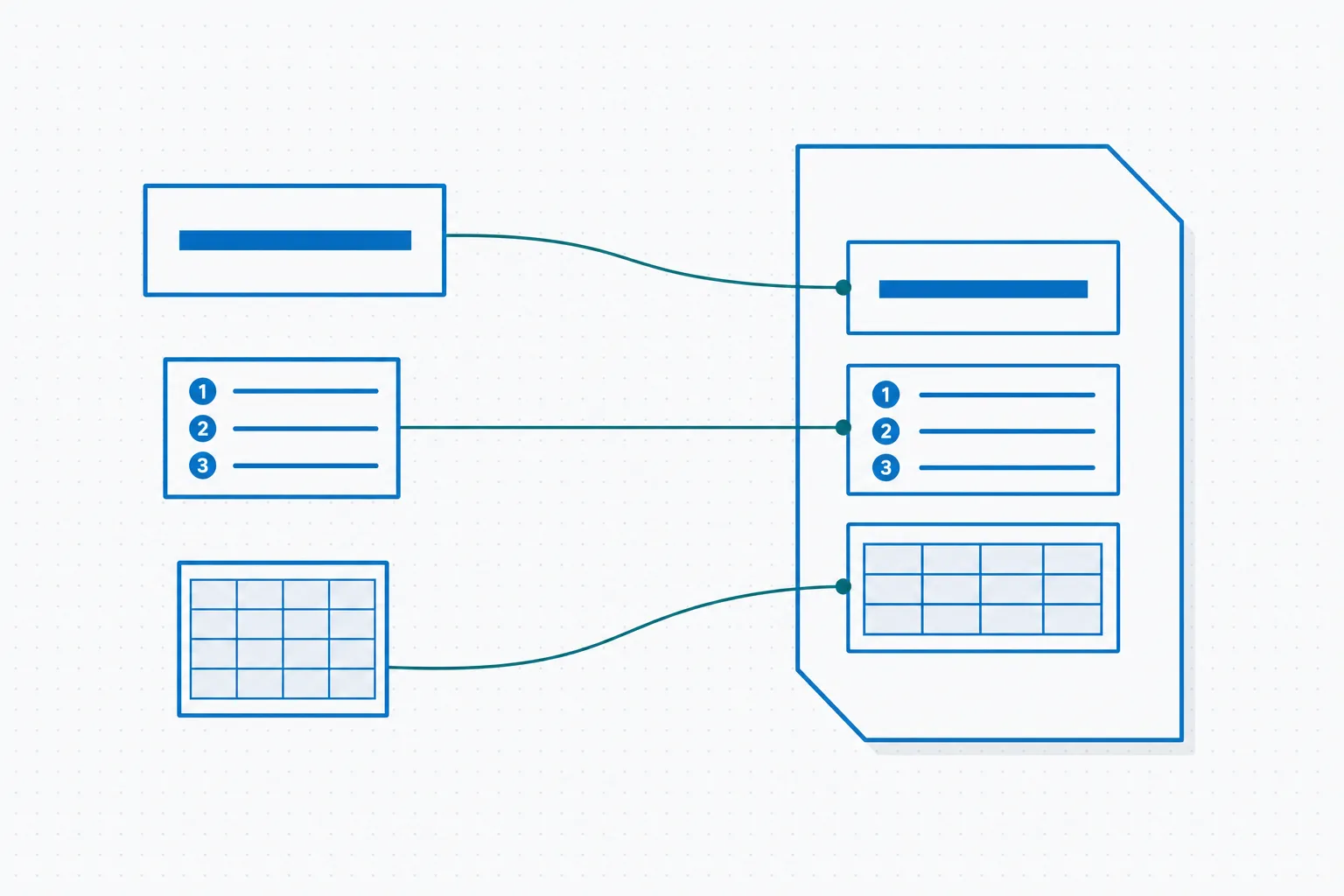
Topic-based authoring means writing small, self-contained units that stand alone or assemble into documents. The mechanics, failure modes, and habits.
Read post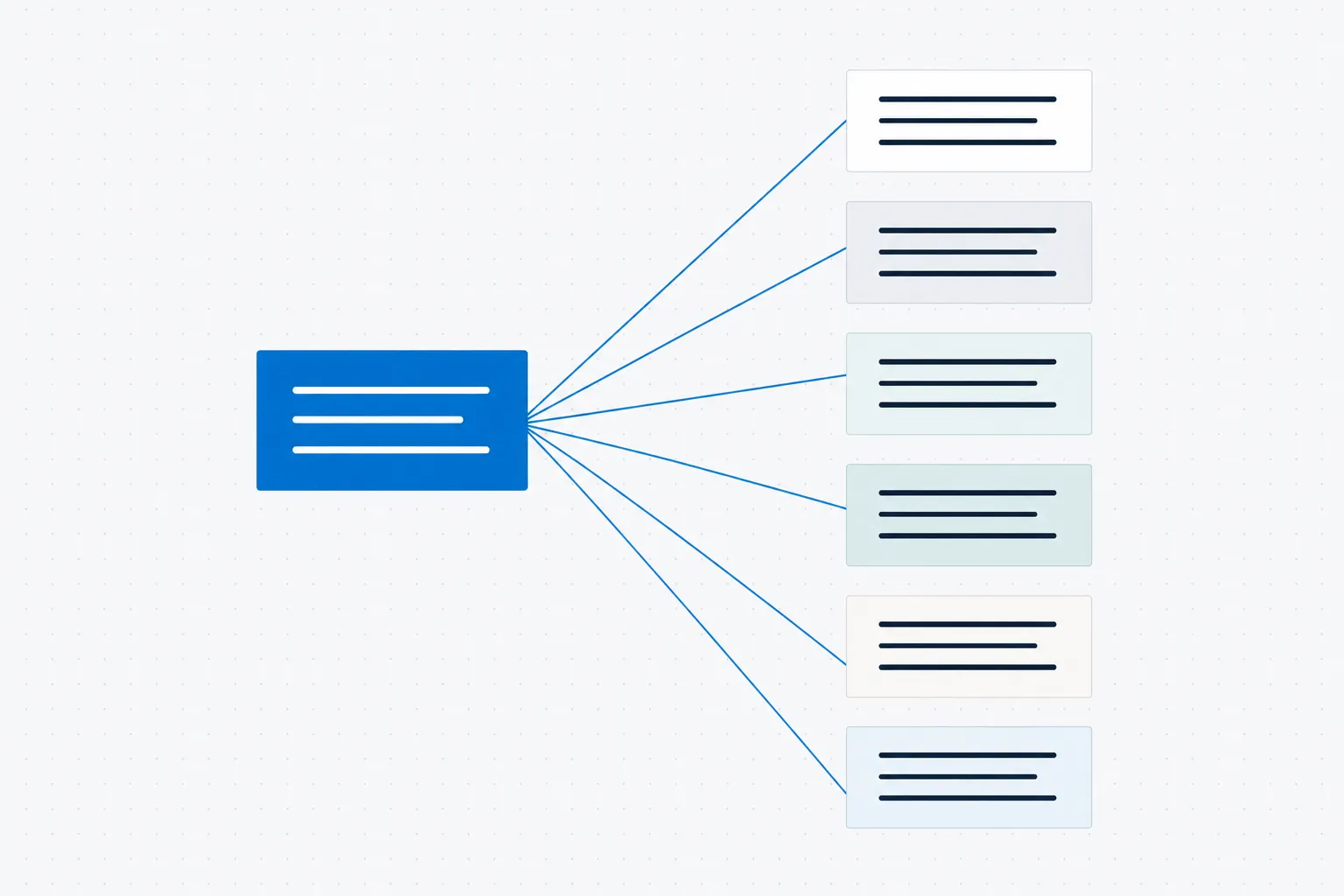
Single source of truth is the most-quoted phrase in structured-content decks. What it means in a CCMS, and what decides if you really have one.
Read post
Structured authoring in Microsoft Word for regulated industries: what it requires, the two architectural approaches, and how to choose between them.
Read post
Technical writers adopt XML editors with conviction and quietly stop using them within eighteen months. The reasons are not what vendors think they are.
Read post
Structured-content programs stall when experts will not adopt an XML editor. The alternative: author in Word, DITA applied behind the scenes.
Read post
A 2020 piece on SME adoption in DITA programs. A survey of 80 companies: DITA XML complexity is the most-cited reason departments are dropped from a rollout.
Read post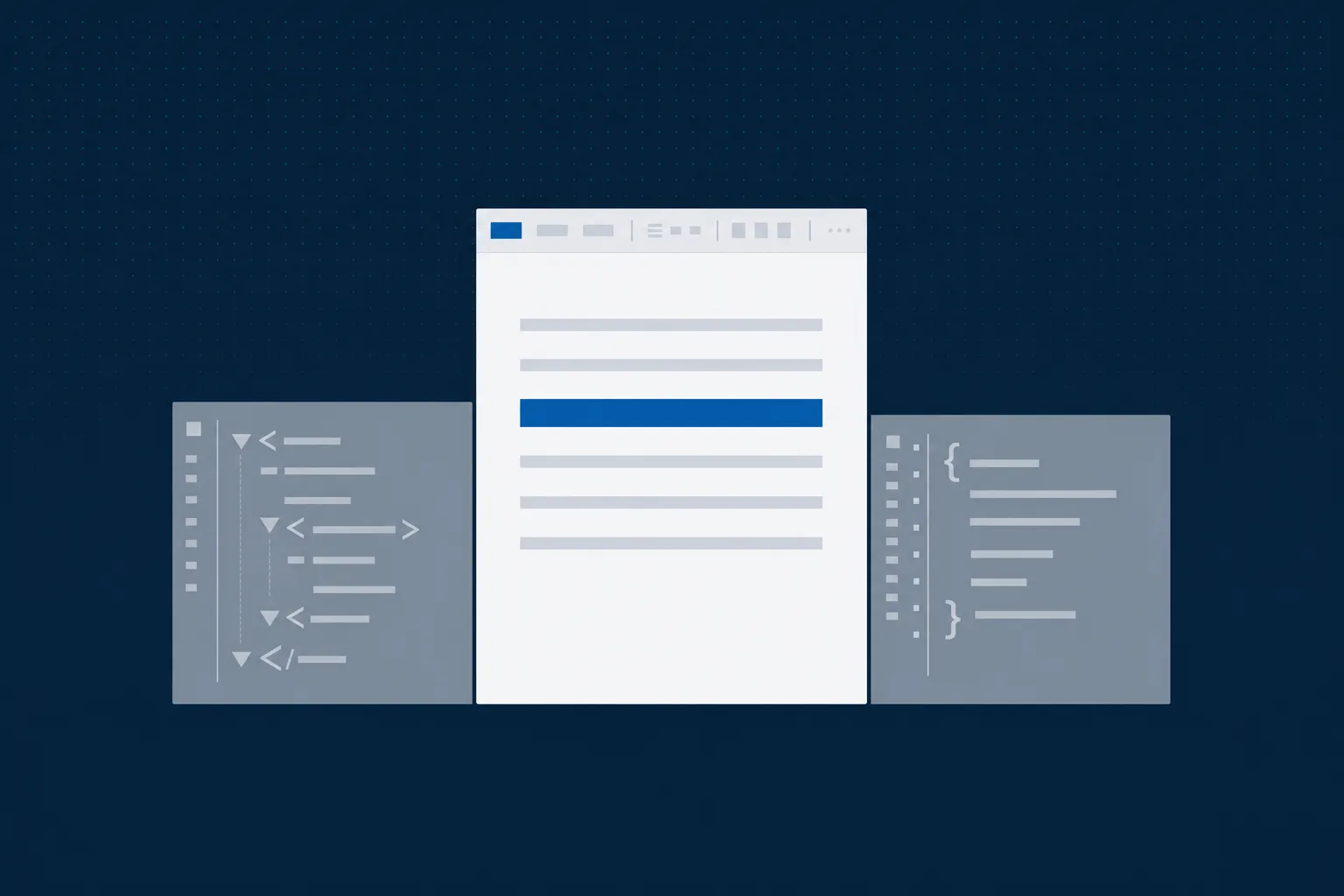
A 2017 post making a controversial claim: the most widely used XML editor in the world is Microsoft Word. The argument still holds in 2026.
Read post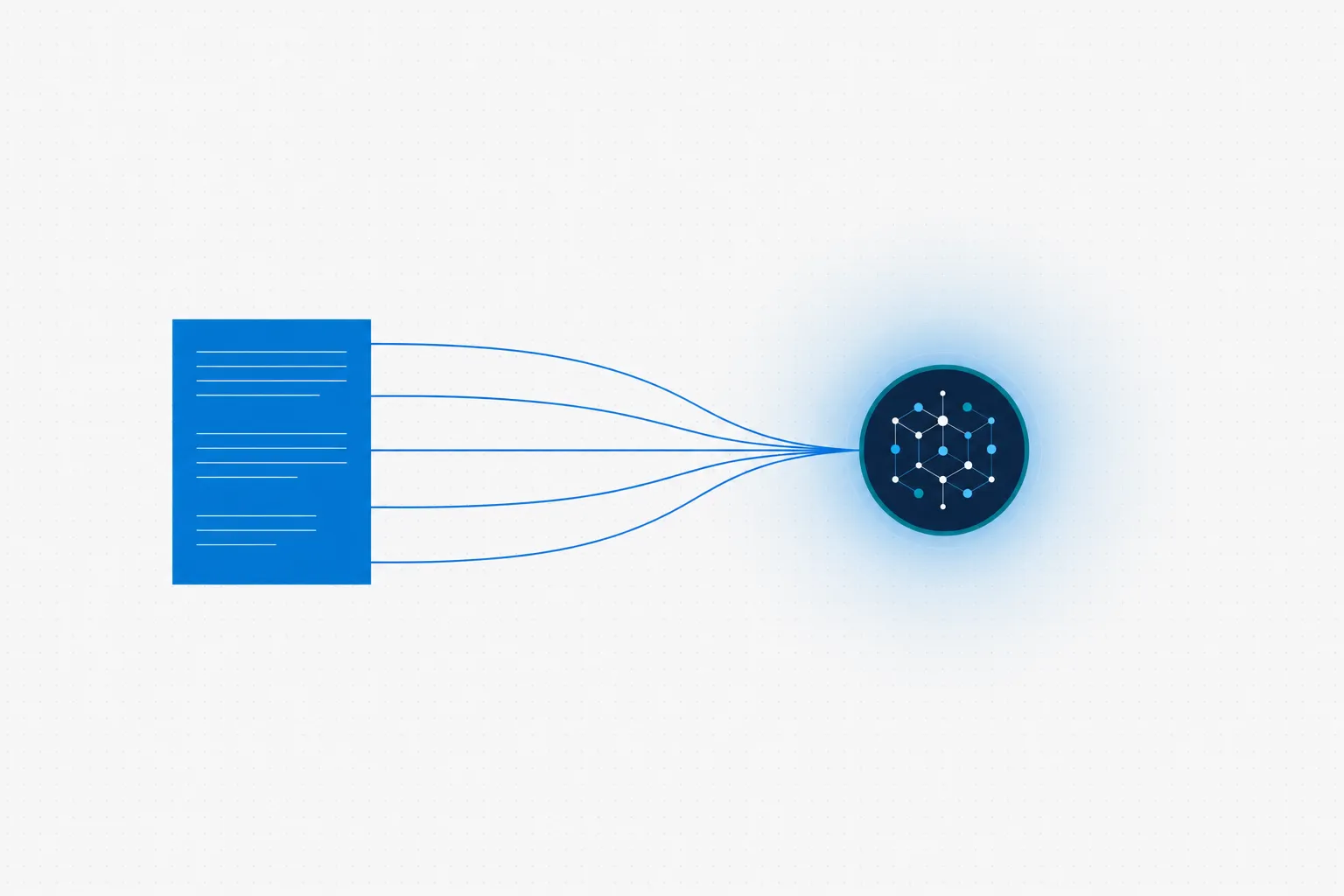
A 2016 note on what bots will demand from your content. Nine years later, the demand turned out to be exactly what was predicted: structured, modular, tagged.
Read postDitaExchange Dx5 implements DITA in the Microsoft-native architecture. The DITA model is the content model: topics, maps, content references, ditavals, all standard. The SharePoint tenant is the substrate: components stored as DITA XML inside SharePoint document libraries, with the customer's existing identity, audit, and data-residency posture applied. Microsoft Word is the authoring surface, subject matter experts continue to author in Word, with DxAuthor+ applying DITA structure behind the scenes.
The complete architectural guide to running DITA on the SharePoint substrate, deployment matrix included.
The category-level treatment of component content management, independent of any specific vendor.
How the four product pillars come together in one Microsoft-native platform.
DxAuthor+ applies DITA structure behind the scenes while subject matter experts stay in Word.
Content written as discrete, typed components with its meaning marked up, rather than as formatted pages. A warning is tagged as a warning and a procedure step as a step, so the same component can be assembled into a manual, a label and a help topic without being rewritten. The practical test is whether changing one approved sentence changes every document that uses it. If it means opening twelve files, the content is formatted, not structured. Modular content describes the same idea from the authoring side: write the component once, assemble it many times.
No. Single sourcing is the objective, one approved component feeding many outputs. DITA is one way to reach it, and the one with an open standard and portable files behind it. You can single source without DITA, using a proprietary format or a well-kept template library, and many organizations do until the content outlives the tool that stored it. DITA XML earns its overhead when the estate has to stay readable for longer than any vendor relationship, which in regulated documentation is usually the case.
No. S1000D is the international specification for technical publications, adopted widely across aerospace and defense; DITA is the general structured-content standard. Organizations working under both maintain DITA-to-S1000D conversion paths. If the contractual deliverable is strictly S1000D, settle that early, because it is a different specification with its own tooling expectations. Dx5 is DITA-native, and it runs in aerospace and defense on the DITA side.
Most estates run on a small part of the standard: concept, task and reference topics, maps to assemble them, content references and content key references for reuse, and ditaval for conditional profiling. Topic tagging draws its controlled vocabulary from the SharePoint Term Store. The rest of the standard is available and is rarely what decides whether a program lands.
Usually not at the start. The base topic types cover most documentation, and specialized types extend the model without breaking the core when the underlying breakdown is genuine. Specialization written to mirror an existing document template, rather than a real content distinction, adds maintenance and returns nothing. Start on the base model and specialize when a gap shows up in the content itself.
When content is written once, read once and reused nowhere. The reuse mechanics repay the structural overhead only when the same approved wording appears across many documents, markets or languages, or when someone has to prove who approved a given component and when. A single manual maintained by one writer needs none of this. Most organizations do not need a CCMS, and saying so early costs less than discovering it late.
By profiling, not by parallel copies. Conditions are set on components and resolved at publishing time with ditaval, so a market-specific or audience-specific output is a different resolution of one source rather than a second document to maintain. Maps control which topics appear and in what order. Only the difference between markets is maintained, which is what stops the variants drifting apart over the years.
DITA has lasted because the model is genuine, the reuse mechanics practical, and the ecosystem mature. The real barrier is SME adoption, not the standard, and the case for it is stronger than ever in 2026.